The Hidden Weight of an Anticipated Crisis

A man in a dark suit balances on one leg with arms outstretched, viewed from behind, against a plain beige background.

It was 11 PM when I stepped onto a rain-soaked Seattle street, drawing in the cool night air after twelve hours of crisis management. Inside the glass tower behind me, a technology CEO and her board had just concluded a brutal negotiation over how to handle a global cybersecurity breach that threatened to become a public relations disaster.

The Secret Sauce of Leadership

A glowing, futuristic key with intricate gears and cogs radiates bright orange and red light, surrounded by dynamic particles and sparks against a dark, blurred background.

There’s a tension in most organizations that rarely gets addressed directly. I’ve seen it play out at every level—especially when you’re sitting in the CEO chair.

HOW TO LEAD FROM THE INSIDE-OUT

A man in a suit stands at a podium, seen from behind, addressing a large audience in a dimly lit auditorium with spotlights shining down from above.

As an advisor to CEOs, Boards and senior executives, I have observed how the pressures facing leaders — especially those in public service-continue to mount. In a rapidly changing world where complexity, defensiveness, and scrutiny are the norm, the leaders who stand out are not those with the loudest voices or the longest resumes, but those who have actually done the hard work on themselves first. Leadership, at its core, starts from the inside out.

THE PRACTICAL APPROACH TO THE PSYCHOLOGY OF LEADERSHIP
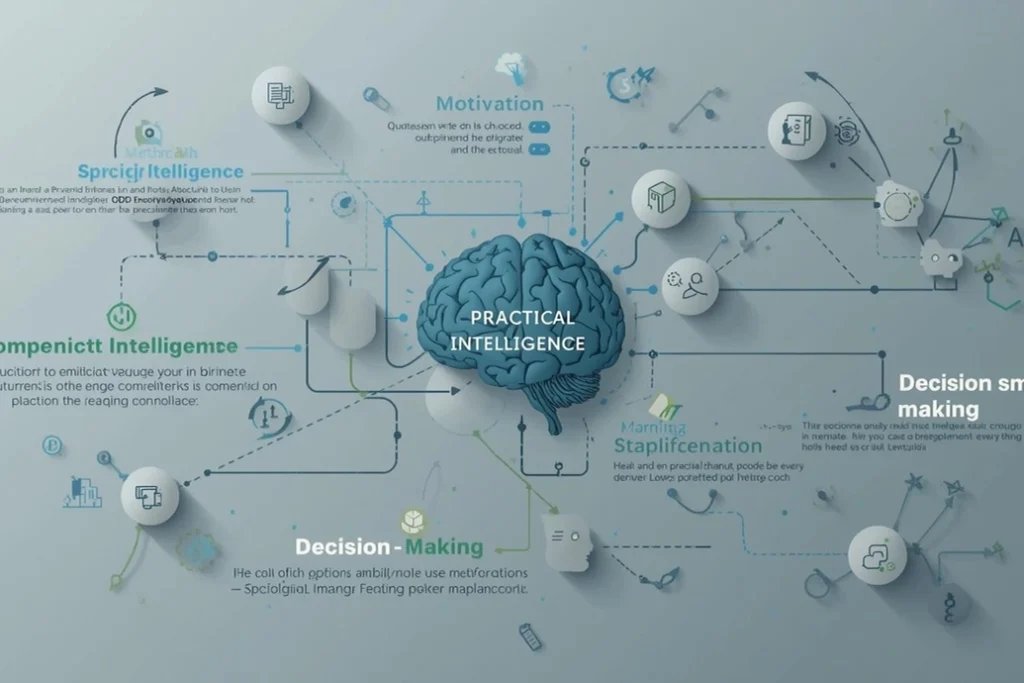
A blue brain labeled Practical Intelligence is at the center of a flowchart with icons, pathways, and words like Motivation, Decision-Making, and Competent Intelligence branching out around it.

Leadership is often described as a blend of vision, strategy, and execution. Yet, the most effective leaders know that the real work happens beneath the surface — in the psychology that drives every decision, interaction, and outcome. Understanding the practical side of leadership psychology isn’t about theory for theory’s sake; it’s about equipping yourself and your team to meet real-world challenges with clarity, resilience, and purpose.

A Guide for Transforming a Crisis into an Opportunity – Part One

A man in a suit stands on rocks by the sea, facing a large white yacht in rough waters under dark, stormy clouds with lightning in the distance.

Crisis does not arrive with courtesy. It interrupts plans, tests resolve and brings underlying vulnerabilities to the surface. But it is in these moments a crisis that true leadership and meaningful change are shaped. For some, crisis appears only as risk or chaos, but for those willing to look deeper, it reveals the raw material for growth, innovation, and realigned purpose.

A Guide for Transforming a Crisis into an Opportunity – Part Two

A person in a suit stands at the helm of a modern ship’s bridge, steering the vessel across a calm ocean under a cloudy sky with sunlight streaming through. Advanced navigation equipment surrounds the control area.

Organizational crises and disruptions are inevitable, but it is how companies prepare, respond, learn, and rebuild that determines whether they merely survive or ultimately strengthen. Every crisis exposes cracks in systems and process, and calls leaders to develop new habits, routines, and strategies to weather uncertainty. The organizational response is not an afterthought, it is central to supporting leaders, teams, and mission in a lasting way.

Navigating The Storm

A young man stands on a lifeboat at sea, looking into the distance, while a tiger with its mouth open sits at the front of the boat. The sky is cloudy and the ocean is calm.

As an executive advisor to the private equity world, I’ve noticed that the biggest corporate disruptions and disasters seem to have the same starting point: the decision makers involved never see the disaster coming.

Crawford’s journey has given him a profound understanding of the pressures faced by those in top leadership positions. He recognizes that beneath the confident exterior, many CEOs grapple with self-doubt and the weight of their responsibilities. Drawing from his experiences in high-stakes decision-making as a fire chief and city manager, Crawford creates a safe space where executives can openly discuss their concerns without fear of judgment.

What sets Crawford apart is his practical approach to the psychology of leadership. Rather than relying solely on theoretical models, he draws on real-world experiences to help executives navigate complex leadership issues. This hands-on methodology resonates deeply with executives who are looking for actionable insights rather than abstract concepts.

Crawford addresses the challenge many face in receiving candid feedback. He provides a valuable external perspective, offering honest, constructive input that helps leaders identify blind spots and areas for growth. This approach enables CEOs to make more informed decisions and lead with greater authenticity.

Addressing CEO Challenges
The demanding nature of a leadership role often strains personal relationships and work-life balance. Crawford, having navigated his own transition to the private sector, guides leaders in managing these pressures effectively. He helps them strike a balance between driving organizational change and maintaining personal well-being, ensuring they can lead sustainably over the long term.

For those grappling with the complexities of leadership transitions, Crawford’s diverse background proves invaluable. He helps them navigate not just the operational aspects of change, but also the personal and emotional challenges that come with it. This comprehensive support allows leaders to approach transitions with greater confidence and clarity.

Navigating Transition and Legacy Concerns
Crawford also addresses the profound question of legacy that many contemplate. He encourages leaders to align their actions with their values, helping them build a legacy that extends beyond mere business achievements. By acting as an accountability partner, he empowers CEOs and executives to make decisions that reflect their true aspirations and have a lasting positive impact.

Crawford’s journey has given him a profound understanding of the pressures faced by those in top leadership positions. He recognizes that beneath the confident exterior, many CEOs grapple with self-doubt and the weight of their responsibilities. Drawing from his experiences in high-stakes decision-making as a fire chief and city manager, Crawford creates a safe space where executives can openly discuss their concerns without fear of judgment.

What sets Crawford apart is his practical approach to the psychology of leadership. Rather than relying solely on theoretical models, he draws on real-world experiences to help executives navigate complex leadership issues. This hands-on methodology resonates deeply with executives who are looking for actionable insights rather than abstract concepts.

Crawford addresses the challenge many face in receiving candid feedback. He provides a valuable external perspective, offering honest, constructive input that helps leaders identify blind spots and areas for growth. This approach enables CEOs to make more informed decisions and lead with greater authenticity.

Addressing CEO Challenges
The demanding nature of a leadership role often strains personal relationships and work-life balance. Crawford, having navigated his own transition to the private sector, guides leaders in managing these pressures effectively. He helps them strike a balance between driving organizational change and maintaining personal well-being, ensuring they can lead sustainably over the long term.

For those grappling with the complexities of leadership transitions, Crawford’s diverse background proves invaluable. He helps them navigate not just the operational aspects of change, but also the personal and emotional challenges that come with it. This comprehensive support allows leaders to approach transitions with greater confidence and clarity.

Navigating Transition and Legacy Concerns
Crawford also addresses the profound question of legacy that many contemplate. He encourages leaders to align their actions with their values, helping them build a legacy that extends beyond mere business achievements. By acting as an accountability partner, he empowers CEOs and executives to make decisions that reflect their true aspirations and have a lasting positive impact.