From Chaos to Clarity

Crisis management in 2025 is defined by proactive, technology-enabled strategies; decentralized yet coordinated response structures and  transparent and agile communications. I prioritize a strong focus on resilience — both organizational and human.

Beyond the Leadership Breaking Point

Crisis management in 2025 is defined by proactive, technology-enabled strategies; decentralized yet coordinated response structures and  transparent and agile communications. I prioritize a strong focus on resilience — both organizational and human.

When Everything Is at Stake

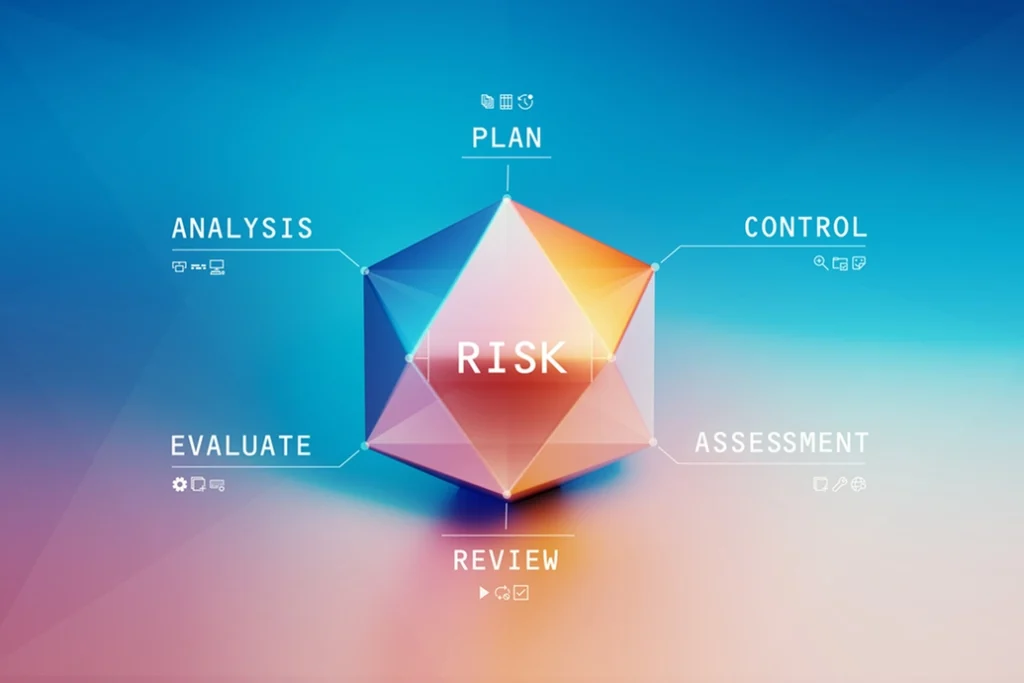
A colorful 3D geometric shape labeled RISK in the center, surrounded by the words: PLAN, CONTROL, ASSESSMENT, REVIEW, EVALUATE, and ANALYSIS, each connected to the shape by lines on a blue gradient background.

The call comes at 2 AM. Or it arrives in an email marked urgent. Sometimes it’s the look on your CFO’s face when they walk into your office unannounced. However it happens, you know immediately that everything has changed.

Preventing Disruption When It Matters Most

A small figurine of a person stands facing a curved line of upright red dominoes casting long shadows on a teal surface, suggesting anticipation or cause and effect.

Crisis management in 2025 is defined by proactive, technology-enabled strategies; decentralized yet coordinated response structures and  transparent and agile communications. I prioritize a strong focus on resilience — both organizational and human.

Using Humility and Empathy in the Face of Disruption

Four business professionals stand in a close huddle, smiling and embracing in a bright office. To the left, a flip chart displays diagrams and the word “PROJECT” at the top. Sunlight streams through large windows.

In the middle of a crisis, leaders and organizations can be tempted to adopt a posture of relentless control and high-handed authority. Why? Most believe that a firm hand can steer them through turbulent times.

Overcoming The Hidden Weight of Anticipated Disruption

A man in a gray suit holding a briefcase stands with his back to the camera, shielding his eyes as he looks towards a cloudy sky.

It was 11 PM when I stepped onto a rain-soaked Seattle street, drawing in the cool night air after twelve hours of helping my clients wrangle the details of a challenging crisis communications effort. Inside the glass tower behind me, a technology CEO and her board had just concluded a brutal negotiation over how to handle a global cybersecurity breach that threatened to become a public relations disaster.

More Than Policies

Close-up of a printed document with the word Policy in large, bold letters at the top. The rest of the text below appears blurred and partially visible.

There’s something more to leadership in insurance than technical skills or following the latest management trend. It’s about who you are when the pressure is on and the answers aren’t obvious. Over the years, working closely with insurance CEOs and executives, I’ve seen how the hidden cost of leadership quietly shapes our industry. These are the investments of character and humanity that rarely show up in metrics but make all the difference when stakes are high.

The Crawford Plan For Managing Risk and Preventing Crisis

A group of people in business attire stand in a dark room, analyzing large digital screens displaying complex financial charts and data. Some individuals gesture toward the screen, suggesting a discussion or meeting.

Crisis management in 2025 is defined by proactive, technology-enabled strategies; decentralized yet coordinated response structures and  transparent and agile communications.  At KCC, we prioritize a strong focus on resilience — both organizational and human. 

Crawford’s journey has given him a profound understanding of the pressures faced by those in top leadership positions. He recognizes that beneath the confident exterior, many CEOs grapple with self-doubt and the weight of their responsibilities. Drawing from his experiences in high-stakes decision-making as a fire chief and city manager, Crawford creates a safe space where executives can openly discuss their concerns without fear of judgment.

What sets Crawford apart is his practical approach to the psychology of leadership. Rather than relying solely on theoretical models, he draws on real-world experiences to help executives navigate complex leadership issues. This hands-on methodology resonates deeply with executives who are looking for actionable insights rather than abstract concepts.

Crawford addresses the challenge many face in receiving candid feedback. He provides a valuable external perspective, offering honest, constructive input that helps leaders identify blind spots and areas for growth. This approach enables CEOs to make more informed decisions and lead with greater authenticity.

Addressing CEO Challenges
The demanding nature of a leadership role often strains personal relationships and work-life balance. Crawford, having navigated his own transition to the private sector, guides leaders in managing these pressures effectively. He helps them strike a balance between driving organizational change and maintaining personal well-being, ensuring they can lead sustainably over the long term.

For those grappling with the complexities of leadership transitions, Crawford’s diverse background proves invaluable. He helps them navigate not just the operational aspects of change, but also the personal and emotional challenges that come with it. This comprehensive support allows leaders to approach transitions with greater confidence and clarity.

Navigating Transition and Legacy Concerns
Crawford also addresses the profound question of legacy that many contemplate. He encourages leaders to align their actions with their values, helping them build a legacy that extends beyond mere business achievements. By acting as an accountability partner, he empowers CEOs and executives to make decisions that reflect their true aspirations and have a lasting positive impact.

Crawford’s journey has given him a profound understanding of the pressures faced by those in top leadership positions. He recognizes that beneath the confident exterior, many CEOs grapple with self-doubt and the weight of their responsibilities. Drawing from his experiences in high-stakes decision-making as a fire chief and city manager, Crawford creates a safe space where executives can openly discuss their concerns without fear of judgment.

What sets Crawford apart is his practical approach to the psychology of leadership. Rather than relying solely on theoretical models, he draws on real-world experiences to help executives navigate complex leadership issues. This hands-on methodology resonates deeply with executives who are looking for actionable insights rather than abstract concepts.

Crawford addresses the challenge many face in receiving candid feedback. He provides a valuable external perspective, offering honest, constructive input that helps leaders identify blind spots and areas for growth. This approach enables CEOs to make more informed decisions and lead with greater authenticity.

Addressing CEO Challenges
The demanding nature of a leadership role often strains personal relationships and work-life balance. Crawford, having navigated his own transition to the private sector, guides leaders in managing these pressures effectively. He helps them strike a balance between driving organizational change and maintaining personal well-being, ensuring they can lead sustainably over the long term.

For those grappling with the complexities of leadership transitions, Crawford’s diverse background proves invaluable. He helps them navigate not just the operational aspects of change, but also the personal and emotional challenges that come with it. This comprehensive support allows leaders to approach transitions with greater confidence and clarity.

Navigating Transition and Legacy Concerns
Crawford also addresses the profound question of legacy that many contemplate. He encourages leaders to align their actions with their values, helping them build a legacy that extends beyond mere business achievements. By acting as an accountability partner, he empowers CEOs and executives to make decisions that reflect their true aspirations and have a lasting positive impact.